
RAG vs Traditional Chatbot for UAE Businesses: Which One Do You Actually Need?
Compare RAG and traditional chatbots to see which fits your UAE business, from simple customer queries to answers based on company knowledge.

 Tekcorp EditorialAI & Automation•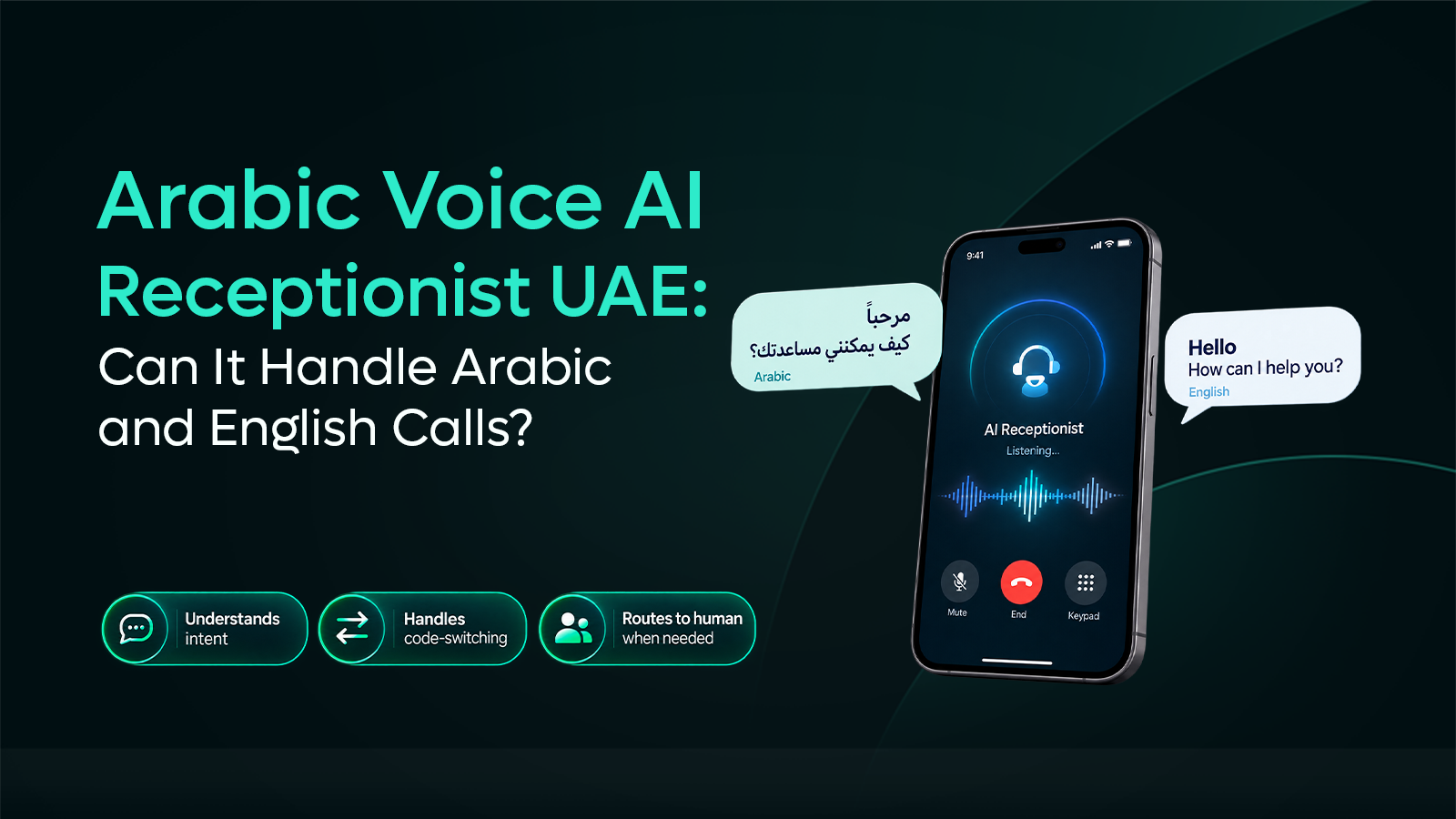
Can an Arabic Voice AI receptionist handle real UAE calls in Arabic and English? See what businesses should test before choosing one.
A customer starts the call in English. A few seconds later, they switch to Arabic and use an English name for the service or product they are asking about. In the UAE, that kind of conversation is completely normal.
The real question is whether a voice receptionist can keep up without making the caller repeat themselves. Speaking Arabic is one thing. Following a real conversation across Arabic and English is another.
For businesses considering Voice AI & Conversational Agents, this matters. The system should understand why the customer is calling, remember what has already been said and recognise when the call is better handled by a person.
An Arabic Voice AI receptionist answers phone calls and responds through conversation rather than a fixed phone menu. Depending on how it is set up, it can answer common questions, collect customer details, qualify an enquiry, book an appointment or send the call to the right person.
Unlike the usual “press 1 for sales” phone menu, the caller can simply say why they are calling. The experience feels closer to speaking with a receptionist than working through a list of numbered options.
For businesses in the UAE, speaking Arabic is only the starting point. The receptionist also needs to deal with accents, local names, different ways of asking the same question and conversations that move naturally between languages.
A polished demo is easy to control. The speaker talks clearly. The background is quiet. The questions are expected. Most importantly, the conversation usually stays in one language.
Real calls are less predictable.
A customer may speak quickly or interrupt halfway through a response. They may be calling from a busy street or a moving car. The same request can be explained in several different ways depending on the caller.
Real conversations rarely stay neatly in one language. A caller may begin in English, move into Arabic and still use English for a product, treatment or company name. Even familiar places such as Jumeirah or Al Barsha can sound different depending on who is calling.
That makes language switching more than a feature to show in a demo. It becomes part of whether the call actually works.
If the system loses track every time the language changes, the caller will notice immediately.
Yes, but this is something a business should test rather than assume.
A system may support Arabic and English separately and still struggle when both appear in the same conversation. The Arabic itself can also vary between Gulf dialects, Modern Standard Arabic and everyday spoken language.
The challenge is not simply recognising two languages. The system needs to understand that an English word inside an Arabic sentence still belongs to the same conversation.
A caller might speak in Arabic while using an English name for a property development, treatment or service. If the system treats that switch as a new topic, the conversation can quickly become frustrating.
The simplest test is also the most useful one. Switch languages the way your customers actually do and see whether the conversation still makes sense.
A smooth voice means very little if the caller still has to repeat themselves or call back later. What matters is whether the system understands the request and moves the conversation forward.
Caller speaks Arabic or English➔
What should happen: The conversation continues without a restart.
Caller switches languages➔
What should happen: Previous details are not lost.
A name or location is unclear➔
What should happen: The system asks for confirmation.
Customer wants to book➔
What should happen: The right details are collected.
The request is unclear➔
What should happen: A useful follow up question is asked.
The call becomes too complex➔
What should happen: The caller reaches a person without starting again.
A good phone experience is not measured by how human the voice sounds for thirty seconds. It is measured by whether the customer gets where they need to go.
Voice AI makes the most sense when a business receives a large number of calls that follow similar patterns.
A clinic may receive the same appointment questions throughout the day. A property company may need basic details from new leads before an agent follows up. A restaurant may miss reservation calls during its busiest hours.
In each case, the call has a clear purpose and much of the first conversation can follow a defined process.
If the requirement goes further and the system needs to trigger workflows or work across other business tools, AI Agents & Automation may become relevant.
The important part is knowing where automation genuinely saves time and where a person still adds more value.
Not every phone call belongs with an automated receptionist.
A customer may be upset. A high value enquiry may involve negotiation. A caller may explain a problem in a way the system has never heard before. Poor audio or an unfamiliar name can also create problems.
This is why human handover should never feel like an afterthought.
If the system is unsure, the customer should be able to reach a person without explaining everything from the beginning. The information already collected should move with the call wherever possible.
A useful Voice AI receptionist knows how to handle a routine call. A dependable one also knows when the call is no longer routine.
Do not judge a Voice AI receptionist from one perfect demonstration.
Test it with the conversations your business actually receives. Use different voices and accents. Speak naturally. Interrupt it. Switch from English to Arabic. Use real service names and local locations. Ask the same question in a different way.
Which Calls Should You Test First?
Start with the conversations that are most likely to expose a weakness.
If most customers speak Arabic, test Arabic first. If customers regularly switch between Arabic and English, make that part of the first test rather than something you check at the end.
Your customers will not follow a demo script. Your testing should not either.
Start with the calls your team already answers.
If a large share of them involve the same questions, booking steps or lead qualification process, Voice AI may be worth considering. If almost every call depends on judgement, negotiation or a sensitive conversation, a person should remain much closer to the process.
Businesses that also handle website enquiries can connect that wider customer journey with AI Chatbots & Assistants so phone and website conversations do not have to operate as completely separate experiences.
The goal is not to automate every call. It is to identify the calls where automation actually makes the experience easier.
For a UAE business, speaking Arabic is not enough to make a Voice AI receptionist useful. Real calls include different accents, quick language changes, local names and questions that rarely follow a perfect script.
What matters is whether the caller is understood, the conversation stays on track and the enquiry reaches the right outcome without unnecessary repetition.
If that only works during a perfect demo, it is not ready for your customers yet.
Your customers should not have to change the way they speak just to be understood. See how Voice AI could work around the conversations your business already handles.
Discuss Your Project with US!
Can a Voice AI receptionist speak both Arabic and English?
Yes. Voice systems can support both languages. The important part is testing how well they understand the accents and speaking patterns your customers actually use.
Can it switch languages during the same call?
Some systems can continue when a caller moves between Arabic and English. This should still be tested because mixed language calls are harder than separate Arabic or English conversations.
Can Voice AI understand Gulf Arabic?
It can be built to support Gulf Arabic, but performance can vary. UAE businesses should test the dialects and accents they hear most often.
Can Voice AI book appointments or collect leads?
Yes. It can handle tasks such as booking requests, enquiry capture and lead qualification when the process is clearly defined.
Should Voice AI replace a human receptionist?
Not in every situation. It works best for predictable calls while people remain available for complex, sensitive or high value conversations.
More Insights
Explore more practical thinking, trends and guidance from Tekcorp.
View All Articles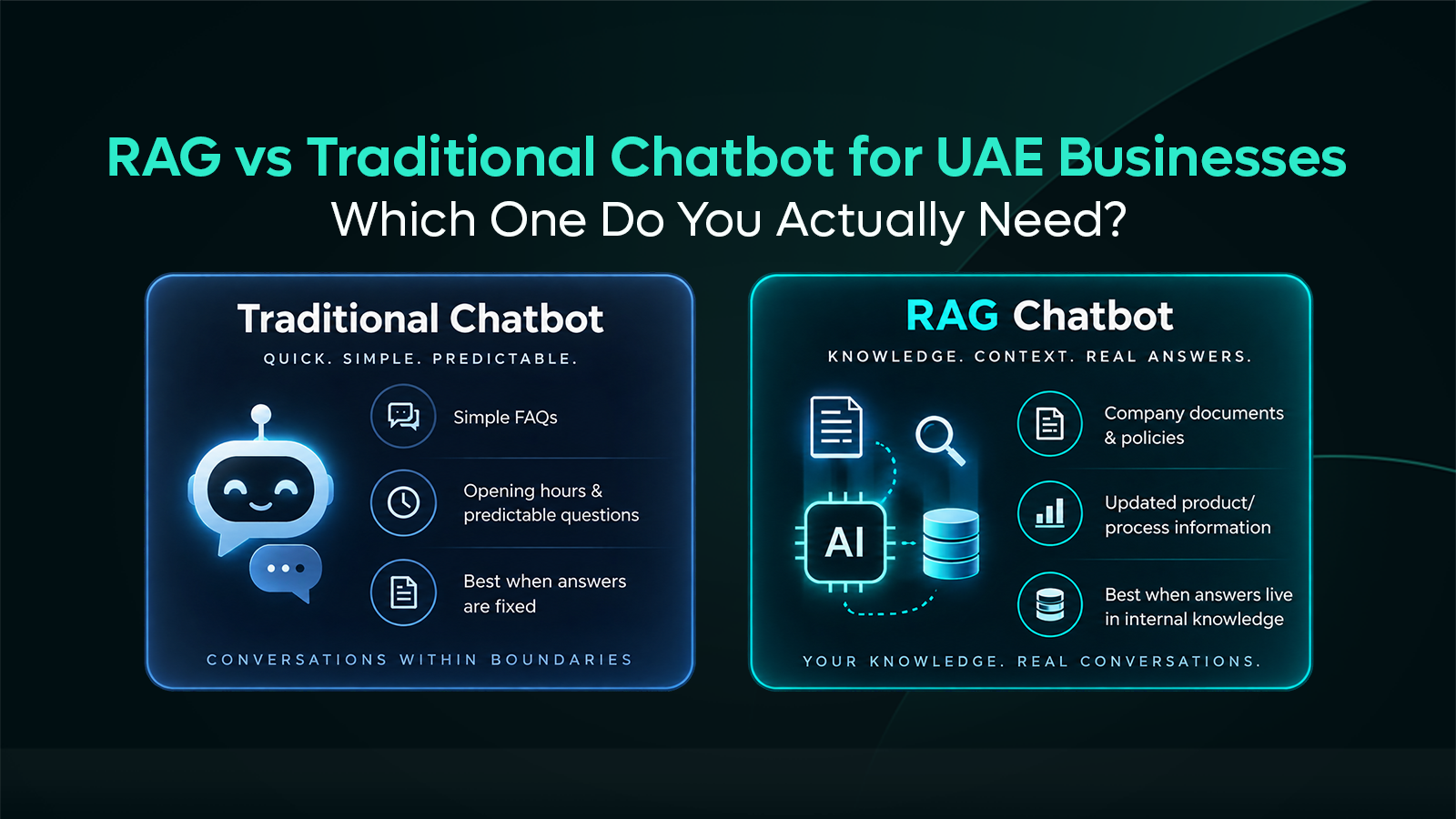 AI & Automation
Compare RAG and traditional chatbots to see which fits your UAE business, from simple customer queries to answers based on company knowledge.
 Technology
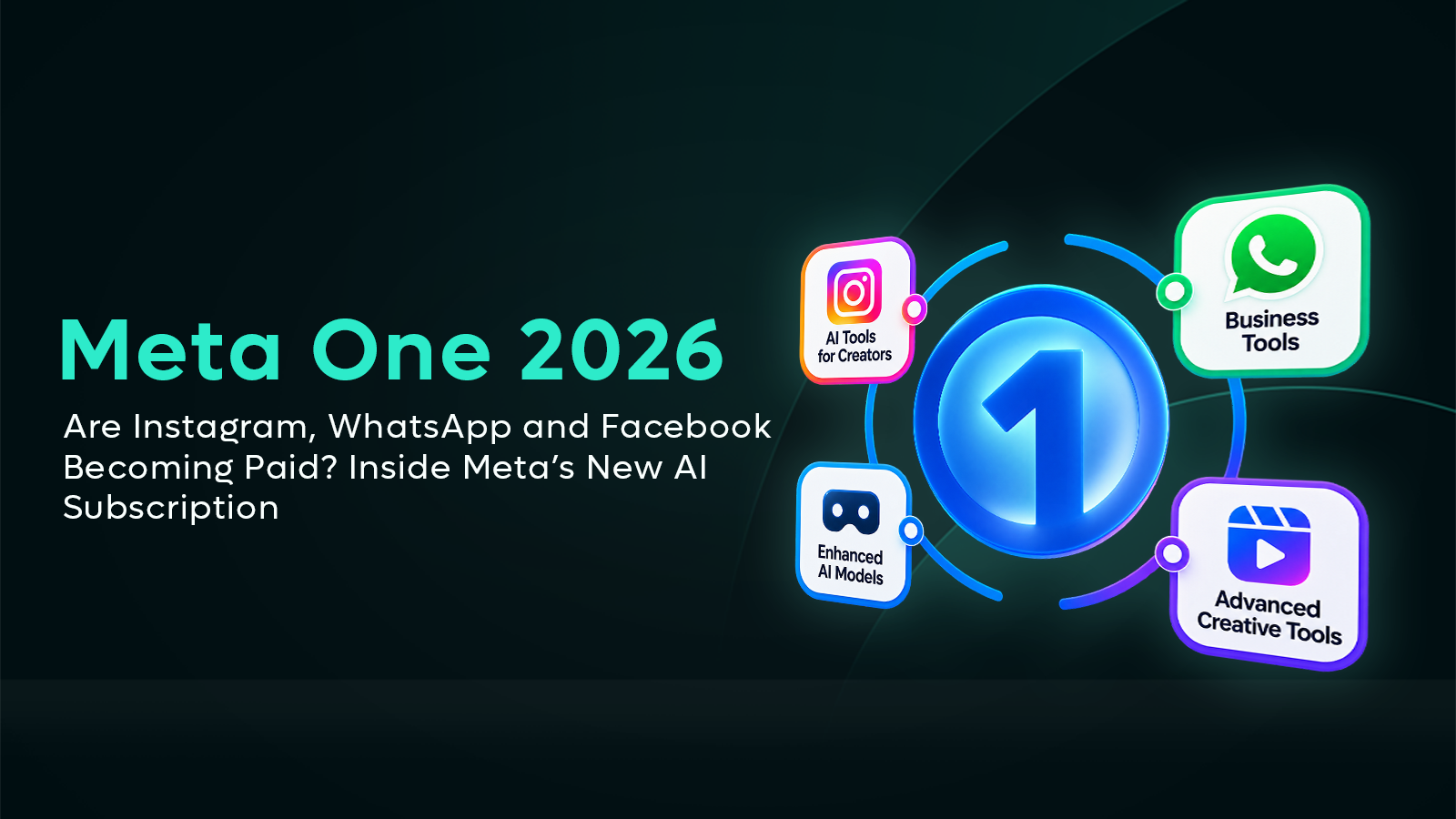
Meta One introduces premium AI capabilities, creator tools and business features across Meta’s ecosystem. Here’s what changes for Instagram, WhatsApp and Facebook users.
 Growth & Marketing
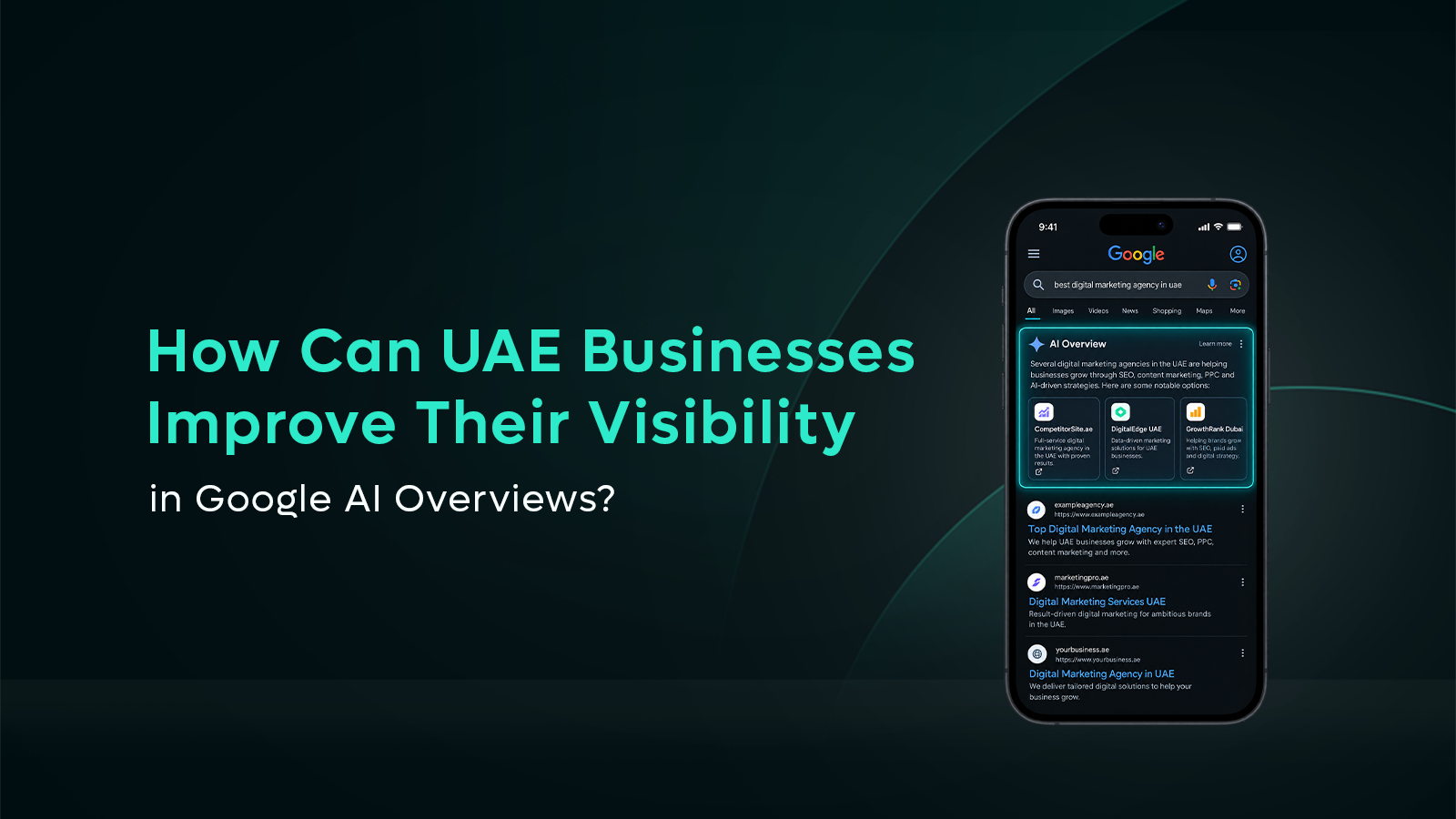
Learn how UAE businesses can improve visibility in Google AI Overviews with stronger SEO, useful content, clear site structure and trusted signals.
.png) AI & Automation
AI & AutomationMeta Business Agent is changing how brands handle WhatsApp and Instagram conversations. See what UAE businesses should know before using it.
 AI & Automation
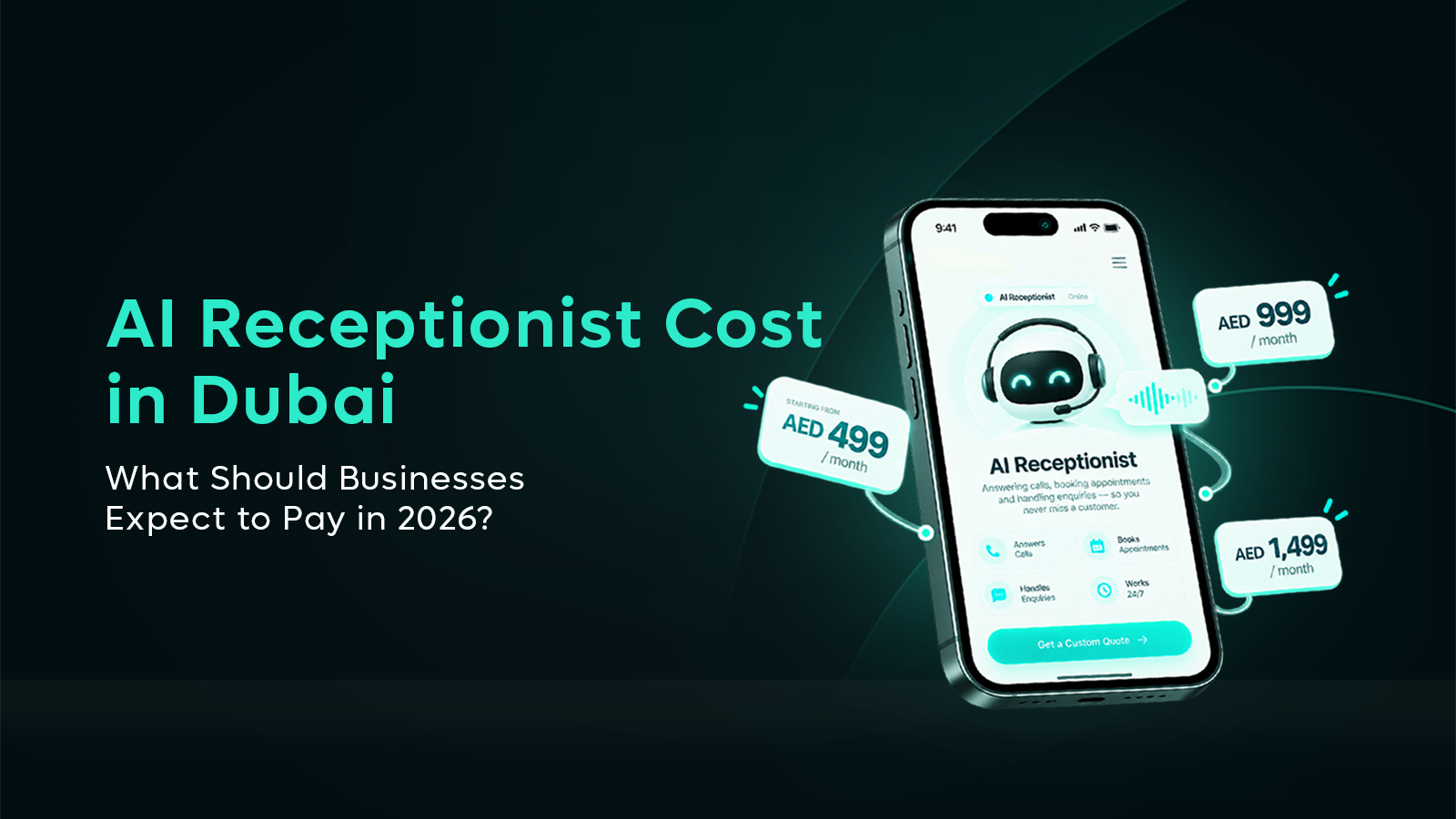
AI receptionist pricing in Dubai depends on call volume, Arabic support, setup and integrations. See what your business should budget for in 2026.
 Technology Software Systems
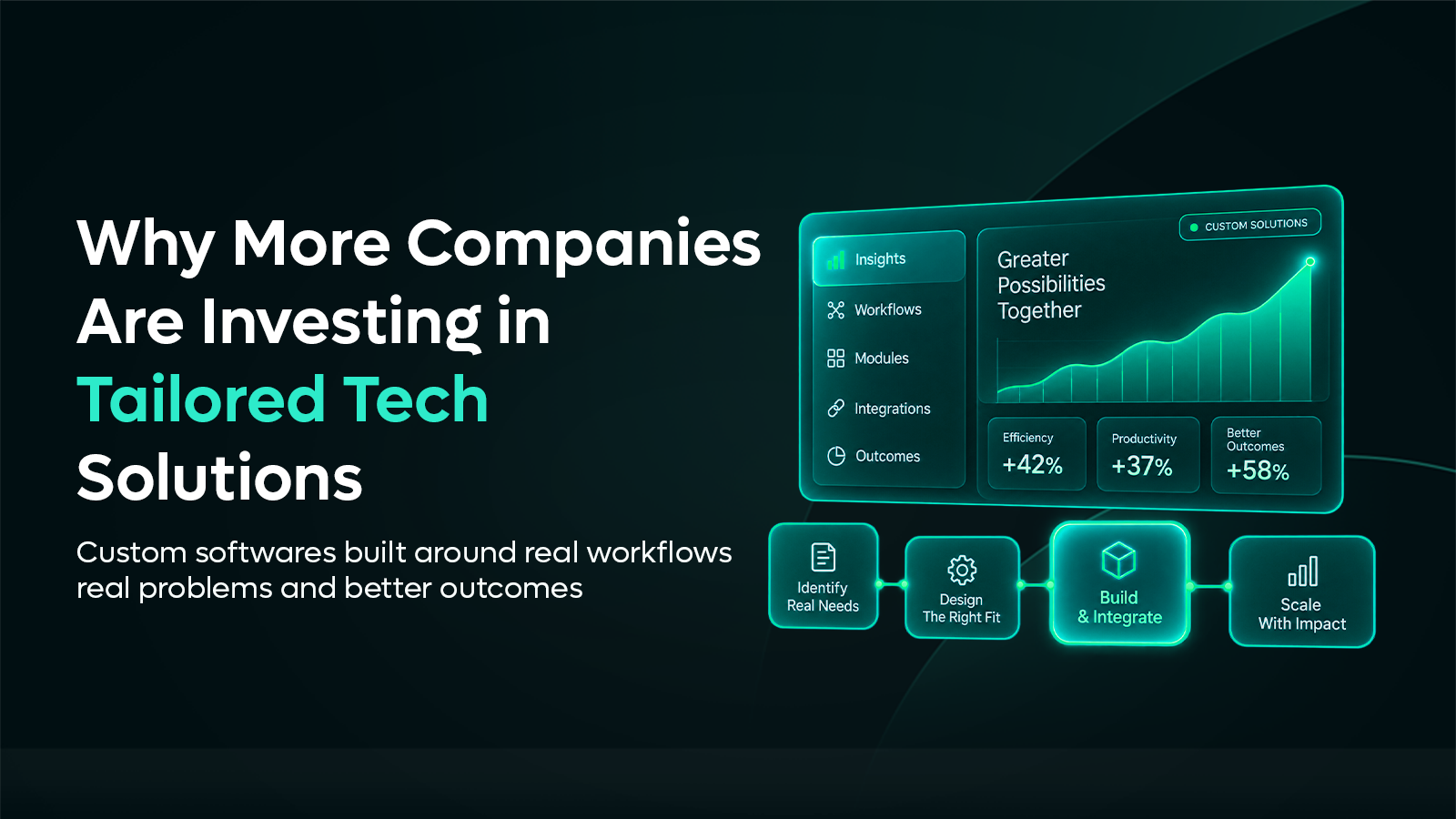
In an increasingly competitive marketplace, businesses require all the help they can get to remain competitive. One of the largest trends is investing in tailored tech solutions. These are technology systems or software designed for an individual business's particular purposes, not one-size-fits-all tools developed for the masses. The worth of such tailored solutions is becoming apparent to companies of all sizes.
 Google Ads
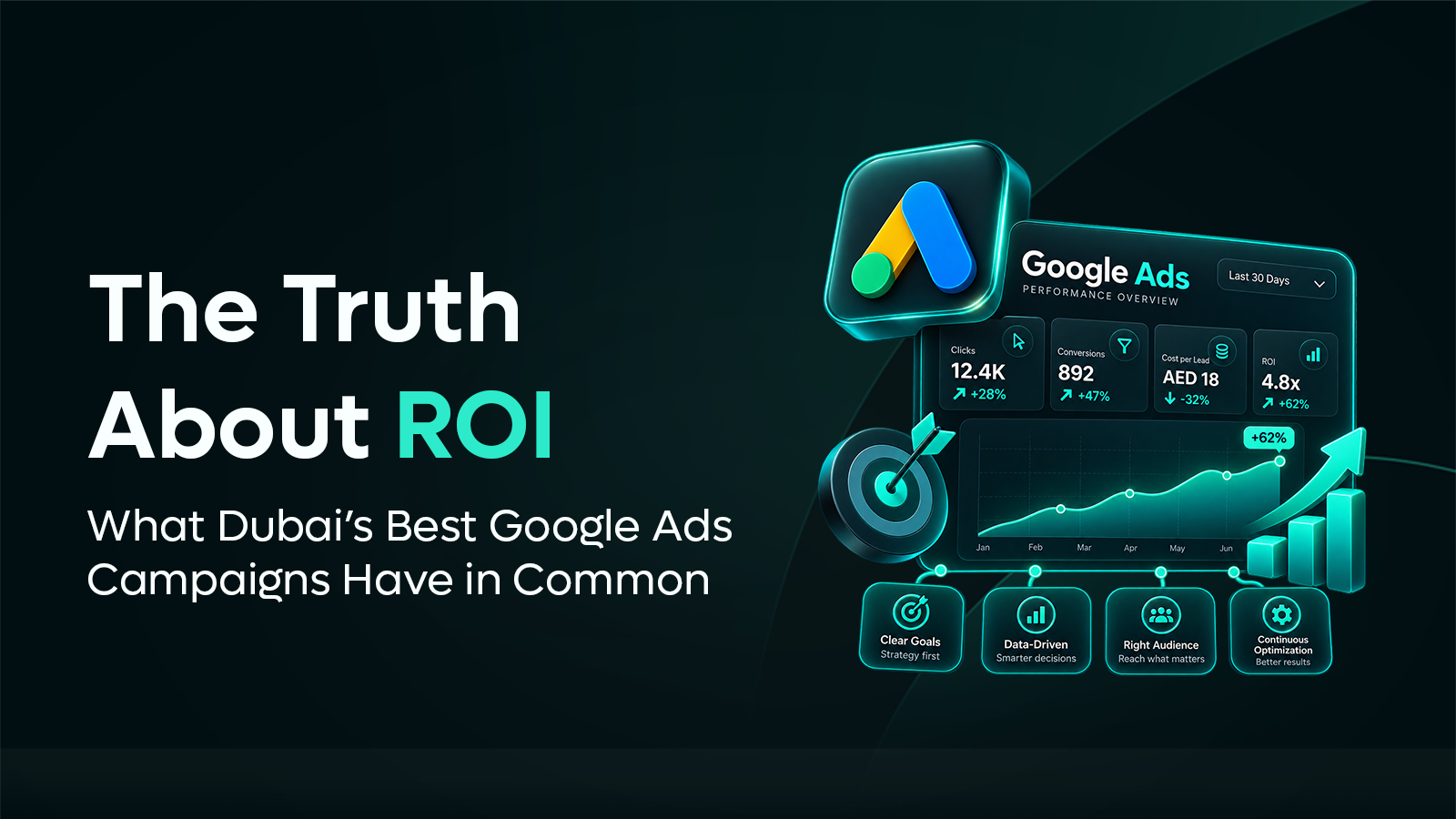
If you're operating in Dubai, you've probably heard of the promise of the Google Ads service in Dubai to drive your growth. But how do you know you're getting the best return on investment (ROI)? The answer comes down to execution. The most effective Google Ads campaigns aren’t built on luck; they’re built on clear strategy and precise decisions. After reviewing how top-performing businesses in Dubai run their Google Ads, we’ve outlined the essential elements that consistently lead to results.
Contact Us
At Tekcorp, we focus on useful technology, clear communication and practical next steps.