
Arabic Voice AI Receptionist UAE: Can It Handle Arabic and English Calls?
Can an Arabic Voice AI receptionist handle real UAE calls in Arabic and English? See what businesses should test before choosing one.

 Tekcorp EditorialAI & Automation•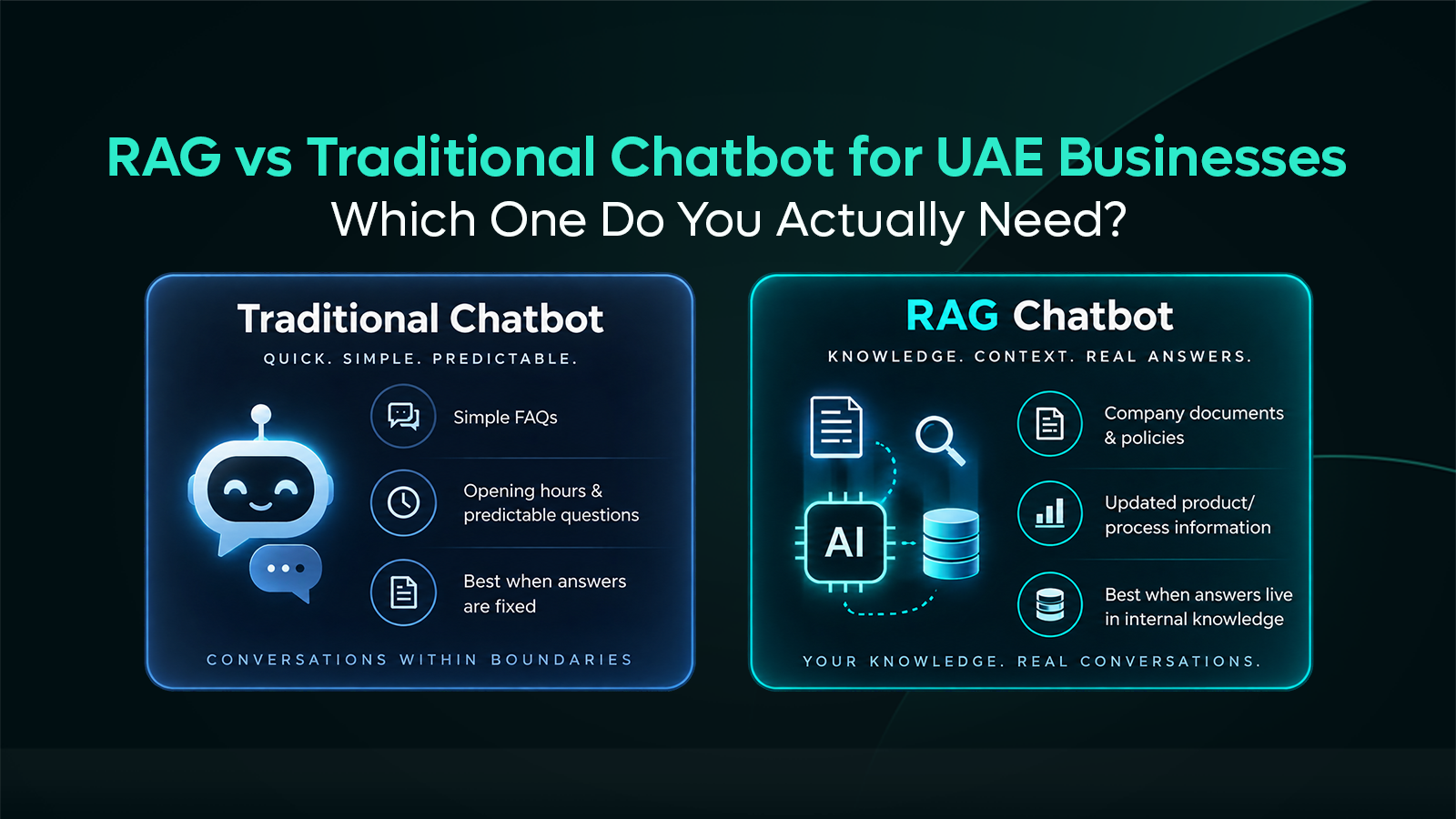
Compare RAG and traditional chatbots to see which fits your UAE business, from simple customer queries to answers based on company knowledge.
A chatbot can answer your opening hours in seconds. That works perfectly until a customer asks about a refund clause hidden in a policy, a product detail that changed last month or a process that only your team knows.
That is where the difference between a traditional chatbot and a RAG chatbot starts to matter.
For most UAE businesses, the choice is not about which option sounds more advanced. It comes down to where the answer lives. If customers ask simple and predictable questions, a traditional chatbot may be enough. If the right answer sits inside company documents, policies or internal records, RAG is usually the stronger fit.
A traditional chatbot works with prepared responses, FAQs or fixed conversation paths. It is designed to handle questions a business already expects.
A clinic in Dubai might use one to share timings, collect appointment requests and send patients to the right department. A property company might use one to qualify an enquiry before it reaches the sales team. In both cases, the conversation follows a clear path.
If your main goal is to answer common questions, collect leads or guide visitors through a simple process, AI Chatbots & Assistants may be all you need.
The limit appears when the conversation moves beyond the prepared flow. A basic chatbot may know your office hours but not a clause inside a policy or a product detail hidden in a PDF.
RAG stands for Retrieval-Augmented Generation. The name sounds technical but the idea is simple. Instead of depending only on prepared answers, a RAG chatbot can look through approved company information before it responds.
That information might include policies, SOPs, product documents, training material, internal guides and other business files. The system finds relevant information first and then uses it to answer the question.
Imagine an employee asks:
“What approval is required for a supplier invoice above AED 50,000?”
A traditional chatbot may not know unless that answer was added in advance. A RAG assistant can search the approved finance policy, find the relevant section and respond using that information.
This is where RAG & Knowledge Base Solutions become useful. The value is practical. People can reach information the business already has without digging through folders or asking several colleagues.
The clearest difference is the source of the answer.
Common FAQs↓
Traditional Chatbot: Strong
RAG Chatbot: Strong
Lead collection↓
Traditional Chatbot: Strong
RAG Chatbot: Suitable
Fixed conversation flows↓
Traditional Chatbot: Strong
RAG Chatbot: Suitable
Search company documents
Traditional Chatbot: Limited
RAG Chatbot: Strong
Detailed policy questions↓
Traditional Chatbot: Limited
RAG Chatbot: Strong
Large knowledge base↓
Traditional Chatbot: Not ideal
RAG Chatbot: Strong
A more advanced setup is not automatically better. If the questions are simple and repetitive, a traditional chatbot can solve the problem with less setup. If answers are spread across documents and change over time, RAG starts to make more sense.
Look at the questions your business receives every day. Customers want to know when you close, how they can book, where you are located or whether somebody can call them back.
These are predictable questions. They do not require a system to search company files before answering.
A good chatbot can handle these enquiries, collect contact details and pass the conversation to a person when needed. For many UAE businesses, that is a practical place to start. There is no reason to pay for complexity customers will never use.
If the requirement later moves beyond conversation and the system needs to trigger workflows or update other tools, AI Agents & Automation may become relevant. That is a separate business need.
Now picture a company where staff regularly search folders, PDFs and internal portals just to answer routine questions.
HR has policies. Finance has procedures. Operations has SOPs. Customer support has manuals. The answer exists somewhere but finding it takes time.
This is where RAG becomes useful. Instead of opening several files or messaging different colleagues, a user can ask the question directly. The system searches the connected knowledge source and returns an answer based on approved information.
For UAE businesses with several teams, branches or large document sets, this can make information easier to find. It can also reduce the chance of different teams working from different versions of the same document.
Yes. Giving a chatbot access to company documents does not make every answer reliable.
If the source material is outdated, unclear or contradictory, the response can still be poor. A proper setup needs clear rules around which documents are trusted, who can access them and how old information is removed.
The system should also know when it does not have enough reliable information to answer. A clear response saying that more information is needed is better than a confident answer based on the wrong source.
Start with the questions people already ask and look at where the answers come from.
If most answers could fit on one short FAQ page, a traditional chatbot is probably enough. If staff or customers regularly need information from policies, manuals or internal files, RAG deserves a closer look.
Some businesses may need both. A traditional flow can handle lead capture and basic enquiries while RAG deals with questions that depend on company knowledge.
Could most of your chatbot answers fit on one FAQ page?
If yes, start simple. If the answers are scattered across dozens of files, policies and manuals then a knowledge based setup may be the better fit.
That one question can save you from paying for a system that is more complicated than you need. It can also stop you from choosing a basic chatbot that falls short as soon as the questions become specific.
A traditional chatbot works with prepared answers or fixed conversation flows. A RAG chatbot retrieves relevant information from connected knowledge sources before it responds.
Yes. It can work with approved PDFs, policies, manuals and other business documents.
No. If most questions are simple and repetitive, a traditional chatbot may be enough. RAG is more useful when answers depend on detailed company information.
Yes. A business can use traditional flows for lead collection and RAG for questions that need information from company documents.
Look at how people find answers today. If staff or customers regularly search policies, manuals or internal files for answers, RAG may solve a real business problem.
More Insights
Explore more practical thinking, trends and guidance from Tekcorp.
View All Articles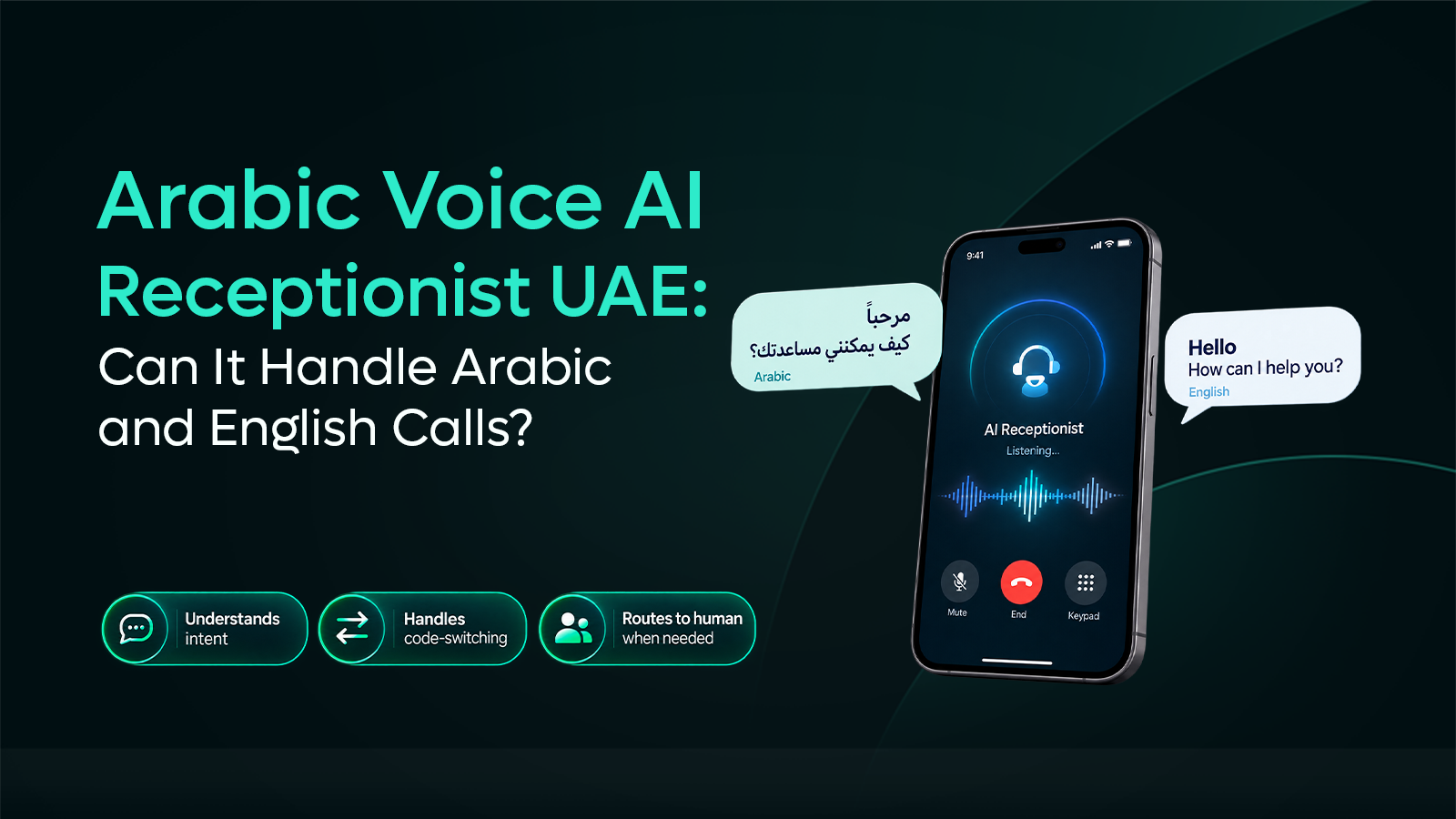 AI & Automation
Can an Arabic Voice AI receptionist handle real UAE calls in Arabic and English? See what businesses should test before choosing one.
 Technology
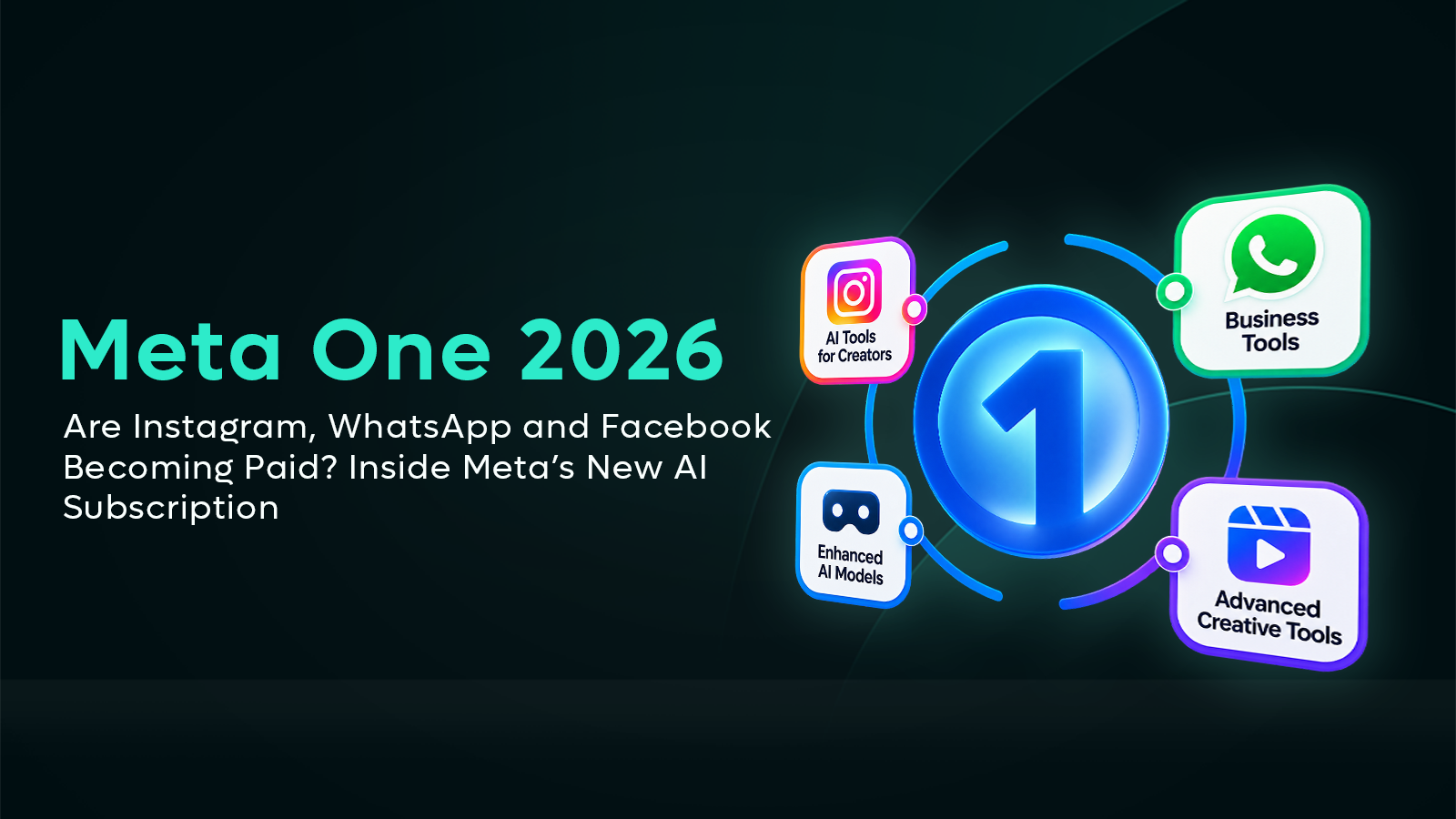
Meta One introduces premium AI capabilities, creator tools and business features across Meta’s ecosystem. Here’s what changes for Instagram, WhatsApp and Facebook users.
 Growth & Marketing
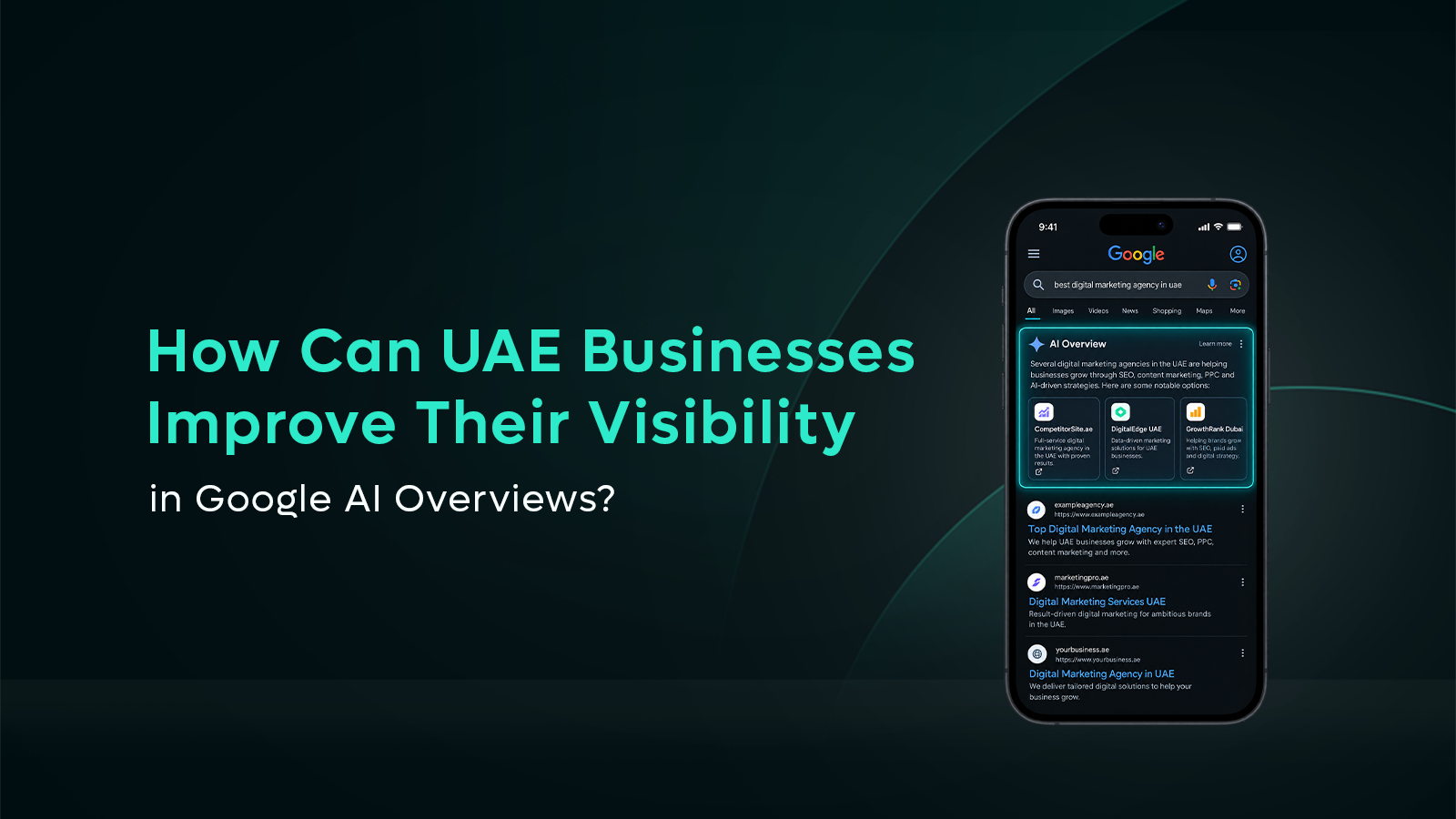
Learn how UAE businesses can improve visibility in Google AI Overviews with stronger SEO, useful content, clear site structure and trusted signals.
.png) AI & Automation
AI & AutomationMeta Business Agent is changing how brands handle WhatsApp and Instagram conversations. See what UAE businesses should know before using it.
 AI & Automation
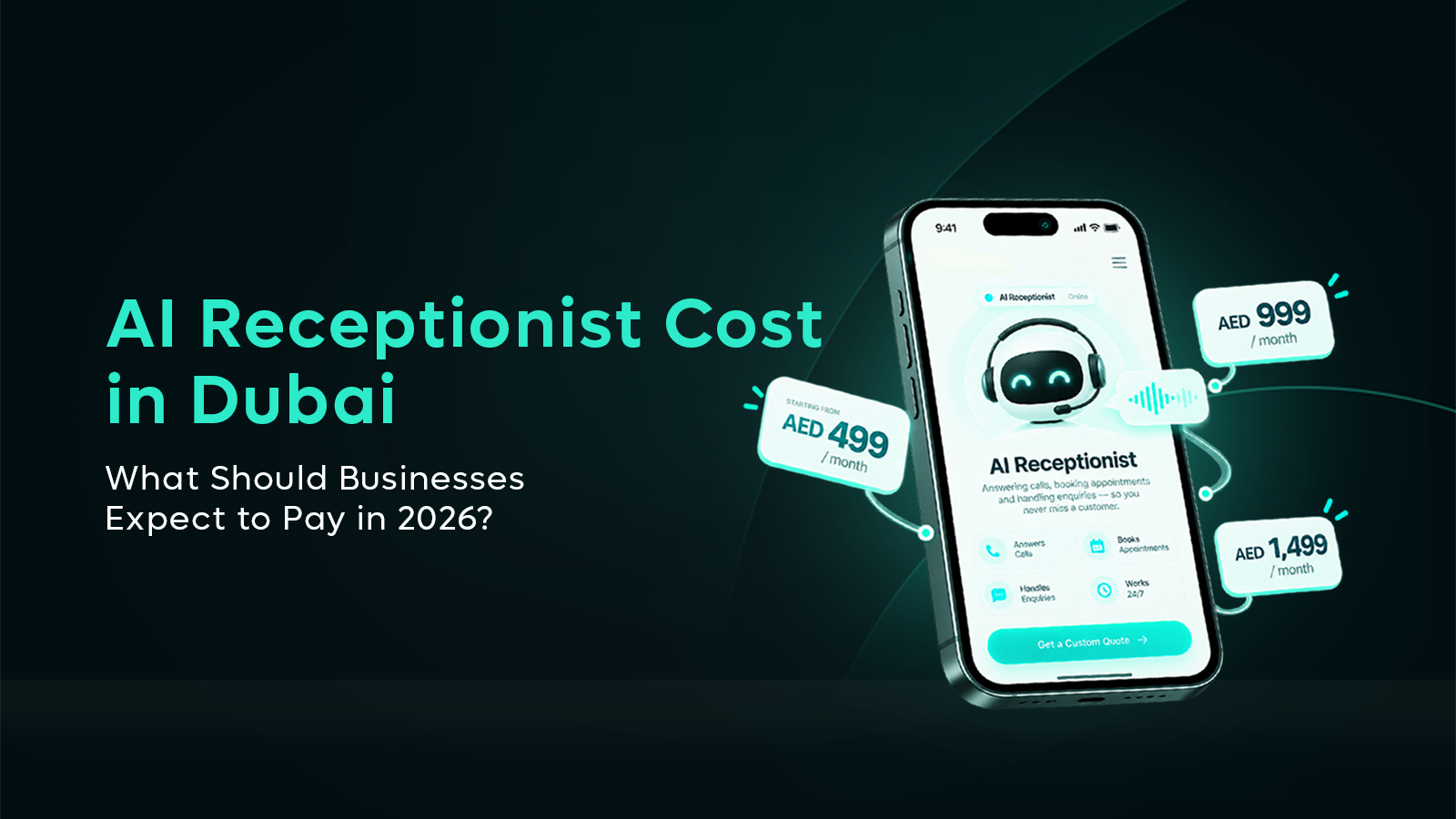
AI receptionist pricing in Dubai depends on call volume, Arabic support, setup and integrations. See what your business should budget for in 2026.
 Technology Software Systems
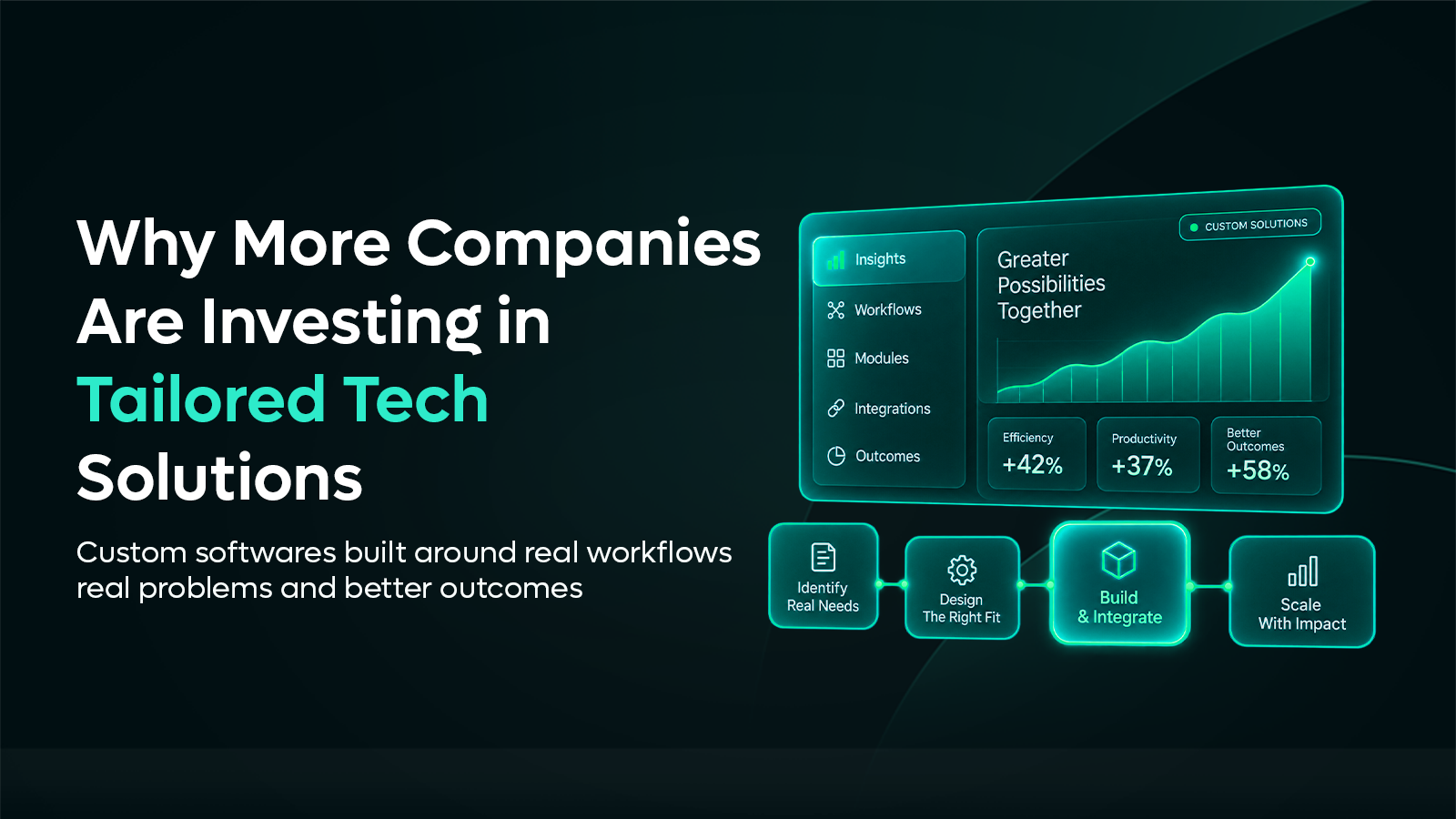
In an increasingly competitive marketplace, businesses require all the help they can get to remain competitive. One of the largest trends is investing in tailored tech solutions. These are technology systems or software designed for an individual business's particular purposes, not one-size-fits-all tools developed for the masses. The worth of such tailored solutions is becoming apparent to companies of all sizes.
 Google Ads
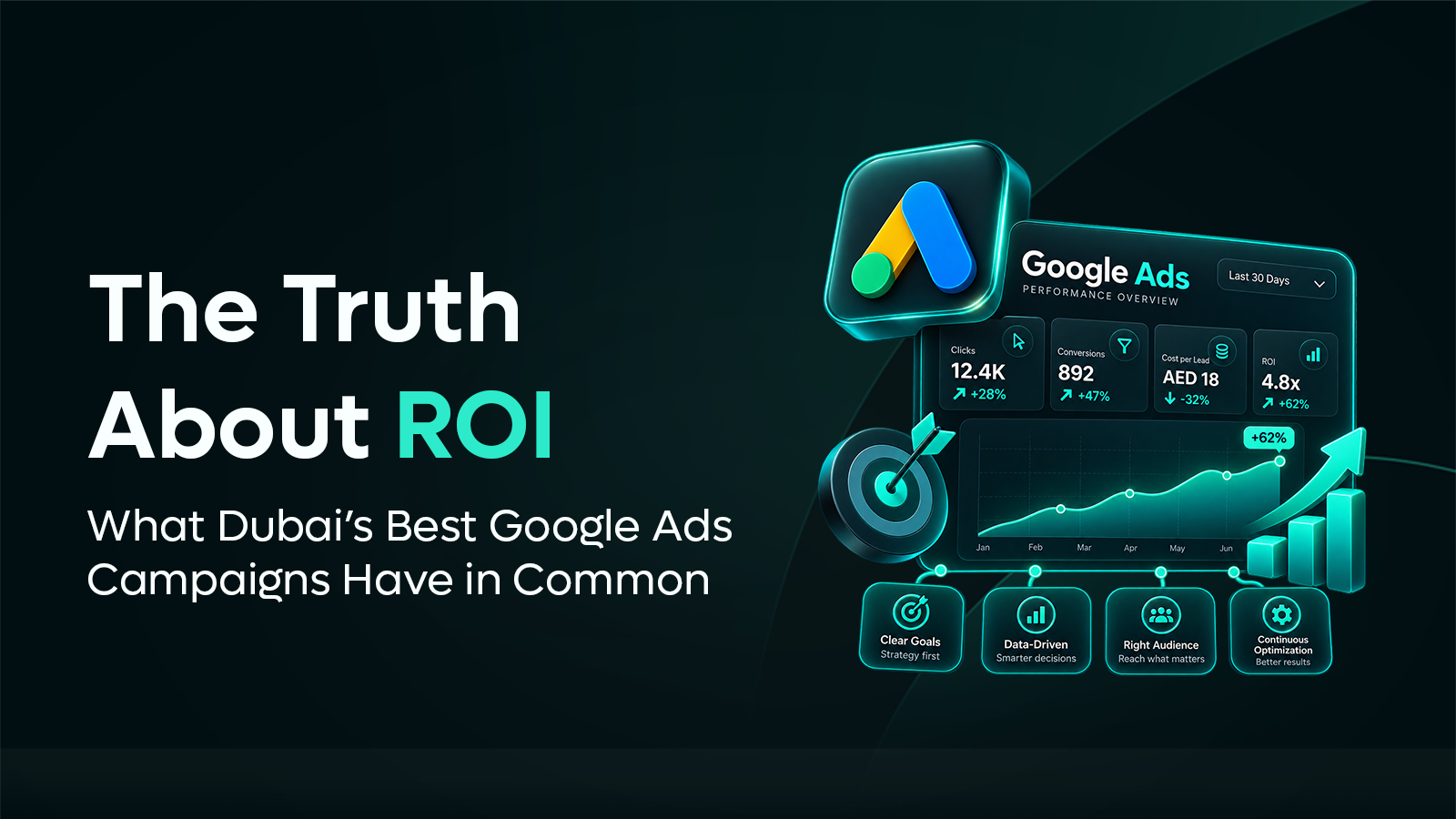
If you're operating in Dubai, you've probably heard of the promise of the Google Ads service in Dubai to drive your growth. But how do you know you're getting the best return on investment (ROI)? The answer comes down to execution. The most effective Google Ads campaigns aren’t built on luck; they’re built on clear strategy and precise decisions. After reviewing how top-performing businesses in Dubai run their Google Ads, we’ve outlined the essential elements that consistently lead to results.
Contact Us
At Tekcorp, we focus on useful technology, clear communication and practical next steps.